
Recent scholarship has questioned the theoretical and doctrinal homogeneity of the concept of "human rights" over time and space, emphasising the need for historical investigations into both the theoretical developments and practical uses of concepts of human rights at specific times and in specific contexts. This workshop revisits the discourses and uses of natural and human rights in the decades around 1800 from the perspective of Scandinavia and its global and colonial contexts. In doing so, the workshop aims to chart avenues for further research for global histories of Scandinavian legal and political thought and its interactions with non-European and indigenous legal and political systems.
The Scandinavian kingdoms of Sweden(-Finland) and Denmark-Norway were engaged in diplomatic, commercial, and colonial endeavours with states and communities across the world, stimulating legal and political thinking on a range of topics, including natural and human rights. The papers at this workshop include both European and non-European thinkers and range from Africa to Sápmi in the far north, and from the Caribbean and the Atlantic to Scandinavia. They investigate the link between theoretical conceptions of natural and human rights and their practical uses in discussions of slavery and abolition from both European and African perspectives, of the civil right and status of Jews and other non- Christians, and in advocating agrarian and political reform.
Organisation: Joachim Östlund and Mads L. Jensen.
Attendance is open for those interested. But as there is a limited number of spaces, we ask
that you notify Mads L. Jensen (mads.jensen@hist.lu.se) before 4 June.
The workshop is funded by seed money from the “Profile Area Human Rights” at Lund
University and the European Union.
Välkommen till årsmöte i Sällskapet för 1700-talsstudier följd av forskningsfronten.
När? Fredag 3 maj klockan 14:30
Var? Ljusgården, Börshuset, Gamla stan, Stockholm
Efter årsmötet hålls den traditionella forskningsfronten där fyra nydisputerade 1700-talsforskare presenterar sina avhandlingar. De forskare vi får lyssna till är:
Alvar Blomgren (historia), Martina Böök (historia), Sara Ekström (idéhistoria) och Christopher Landstedt (konstvetenskap).
Efter mötet går de som vill till närliggande lokal för fortsatt samkväm.
Årsmötet och forskningsfronten är öppna för medlemmar i Sällskapet för 1700-talsstudier. Har du glömt att betala årets medlemsavgift går det ännu att göra genom att betala 300 kr (150 kr för studerande och doktorander) till Plusgiro 32 93 90-9
Vi välkomnar även nya medlemmar!
Årsmöteshandlingar kommer att hållas tillgängliga på plats. Den som vill få dem i förväg ombedes kontakta ordförande Jonas Nordin jonas.nordin@kultur.lu.se eller skattmästare Annika Windahl Pontén annika.windahl@ponten.se
Mer information i bilagan.
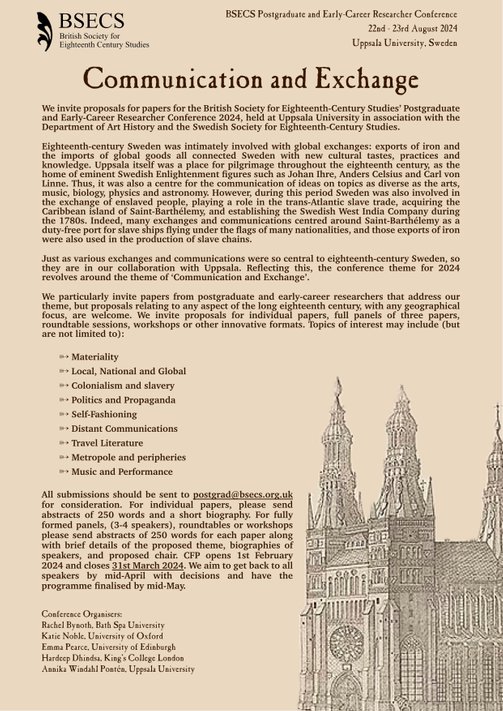
BSECS Early Career
BSECS Postgraduate och Early-Career Researcher Conference inbjuder till konferens den 22-23 augusti 2024 vid Uppsala universitet på temat
Communication and Exchange.
Se följande länk eller anslaget till höger för vidare information.
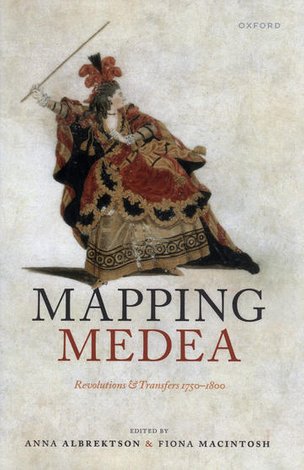
Den 5 februari, kl. 19, är det bokrelease för antologin Mapping Medea: Revolutions and Transfers 1750-1800, red. Anna Albrektson och Fiona Macintosh (Oxford University Press, 2023). Presentationen är öppen för alla via E-mötesverktyget Zoom. Arrangör är Archive of Performances of Greek and Roman Drama (APGRD) vid universitetet i Oxford.
Förutom Anna Albrektson deltar hennes medredaktör för boken Fiona Macintosh (Oxford, APGRD), och Kate Tunstall, professor i fransk litteratur (Oxford) och Miranda Stanyon, fil.dr i engelsk litteratur, (Melbourne). Flera forskare verksamma i Sverige har medverkat i antologin: Petra Dotlacilova, Anthony John Lappin och Roland Lysell.
För att få tillgång till Zoom-länken behöver du registrerar dig via APGRD:s hemsida: http://www.apgrd.ox.ac.uk/events/2024/02/05-mapping-medea
Internationell konferens: Visual Dramaturgies (1500–1800) Scenography, Costumes and Movement on Early Modern Stages.
1 till 3 juli 2024 i Paris och Versailles, organiserat av Centre de musique baroque de Versailles och Sorbonne Université (Théâtre Molière Sorbonne).
Mer information och ansökningsinstruktioner:
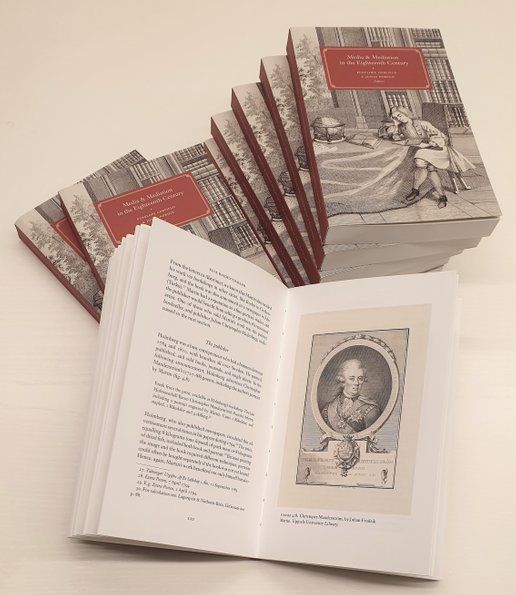
While eighteenth-century print media in essence rested on the same technical apparatus as in previous centuries – letterpress printing, woodcuts, and intaglio prints – the growth in quantity created a media revolution. The effect was a qualitative shift in terms of literacy, growth of newspapers, the spread of images and distribution of knowledge, but also of misinformation and propaganda.
In a new book published by the Swedish Society for Eighteenth-Century Studies together with the Division of Book History at Lund University eight scholars from three continents investigate the ferment of ideas, images, and identities in circulation in Enlightenment Europe.
The book can be ordered from Swedish online bookstores, such as Bokus, or directly from the society. It is also available open access at: https://doi.org/10.37852/oblu.209
Order your copy by sending an e-mail to: info@1700-tal.se Price €15.00 plus postage. (All paying members of the Swedish Society for Eighteenth-Century Studies will receive a free copy.)
Download information sheet here.
CONTENTS
Penelope J. Corfield, Introduction: ‘The Electric Sensibility’ of the Emergent Mass Media’ / « La sensibilité électrique » des médias de masse émergents
Jonas Nordin, Mediating Images of Monarchy from Castle to Cottage in Eighteenth-Century Sweden
Sophie Holm, ‘In a city flooded with pamphlets’: Foreign Diplomats Monitoring and Spreading the News in Eighteenth-Century Stockholm
Ylva Haidenthaller, Putting Faces to Names: Printed Portraits in Late Eighteenth-Century Stockholm
Fokko Jan Dijksterhuis, Ways of Seeing: Conceptions of Visuality in Enlightenment Philosophy
Halima Ouanada, Presse et « société des savants » pour la fabrique de l’opinion au XVIIIe siècle
Maria Isabel Limongi, Visual and Metaphorical Representations of the State in Thomas Hobbes’s Leviathan
Antônio Carlos dos Santos, The Changing Identity of the ‘Atheist’: Detecting Echoes of John Locke in Diderot’s Encyclopédie
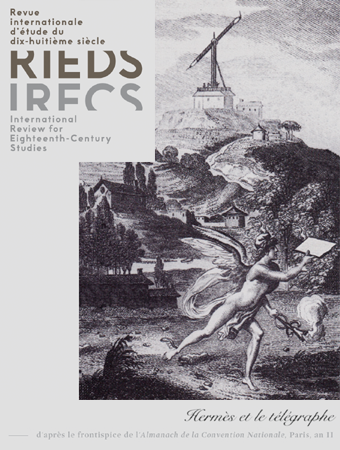
Den elektroniska tidskriften The International Review for Eighteenth-Century Studies efterlyser förslag på tvärvetenskapliga teman för nummer 9, som beräknas utkomma 2025.
Läs mer om förslagsprocessen nedan och om tidskriften här och se nedan: IRECS
The International Review of Eighteenth-Century Studies (IRECS) is an electronic series published by the International Society for Eighteenth-Century Studies (ISECS) and its member societies. It contains papers presented at various ISECS colloquia, as well as thematic dossiers. The Executive Committee of the ISECS acts as the Editorial Board of IRECS.
Proposals for thematic dossiers should send them to the members of the Editorial Board:
Brycchan Carey (brycchan@brycchancarey.com)
Daniel Fulda (daniel.fulda@germanistik.uni-halle.de)
María Susana Seguin (susana.seguin@univ-montp3.fr)
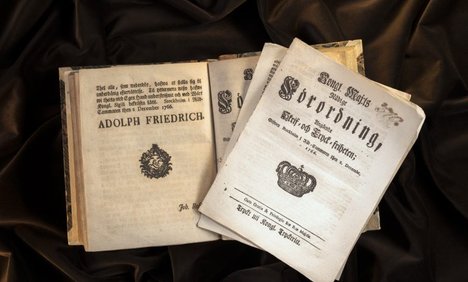
Den svenska Tryckfrihetsförordningen från 1766 har i maj utsetts till världsminne av UNESCO och därmed tagit plats i en uppsättning av angelägna dokument och samlingar i arkiv eller bibliotek av stort värde för mänskligheten. Bland Sveriges världsminnen finns sedan tidigare bland annat Emanuel Swedenborgs arkiv och Stockholms stads bygglovsritningar 1713–1874. Det nya världsminnet består av lagens förarbeten på Riksarkivet och de pamfletter i politiska ämnen 1766– 1774 som förvaras på Kungliga biblioteket. Tillsammans berättar de om lagens förutsättningar och konsekvenser.
Nomineringsunderlaget har författats av sällskapets ordförande Jonas Nordin, som berättar om det nya världsminnet i Vetenskapsradion Historia P1.
Mer finns att läsa hos Svenska Unescorådet och Unescos Memory of the World Register.
Svenska Sällskapet för 1700-talsstudier och Finska sällskapet för 1700-talsstudier bjuder in till digital Forskningsfront fredag den
3 februari klockan 14–16 svensk tid (15–17 finsk tid).
Fyra nydisputerade 1700-talsforskare presenterar sina avhandlingar och svarar på frågor om sin forskning:
Ylva Haidenthaller (konsthistoria, Lunds universitet), The Medal in Early Modern Sweden: Significances and Practices
Astrid Wendel-Hansen, f. Pajur (historia, Friedrich-Schiller-Universität Jena), Dress Matters: Clothes and Social Order in Tallinn, 1600–1700
Saara-Maija Kontturi, (historia, Jyväskylä University), Lääkärikunnan synty. Suomen lääkärit n. 1750–1850 [The birth of the medical profession. Finnish doctors, c. 1750–1850]
Annika Windahl Pontén (idé- och lärdomshistoria, Uppsala universitet), Kiär hustru, wackra barn, bodde i ett palais: Identitet och materialitet i hushållet von Linné
Presentationerna sker på svenska och engelska och följs via denna Zoom-länk: https://lu-se.zoom.us/j/65920865310
Alla välkomna!
/Jonas Nordin & Johanna Ilmakunnas
Sällskapet för 1700-talsstudier | Finska sällskapet för 1700-talsstudier
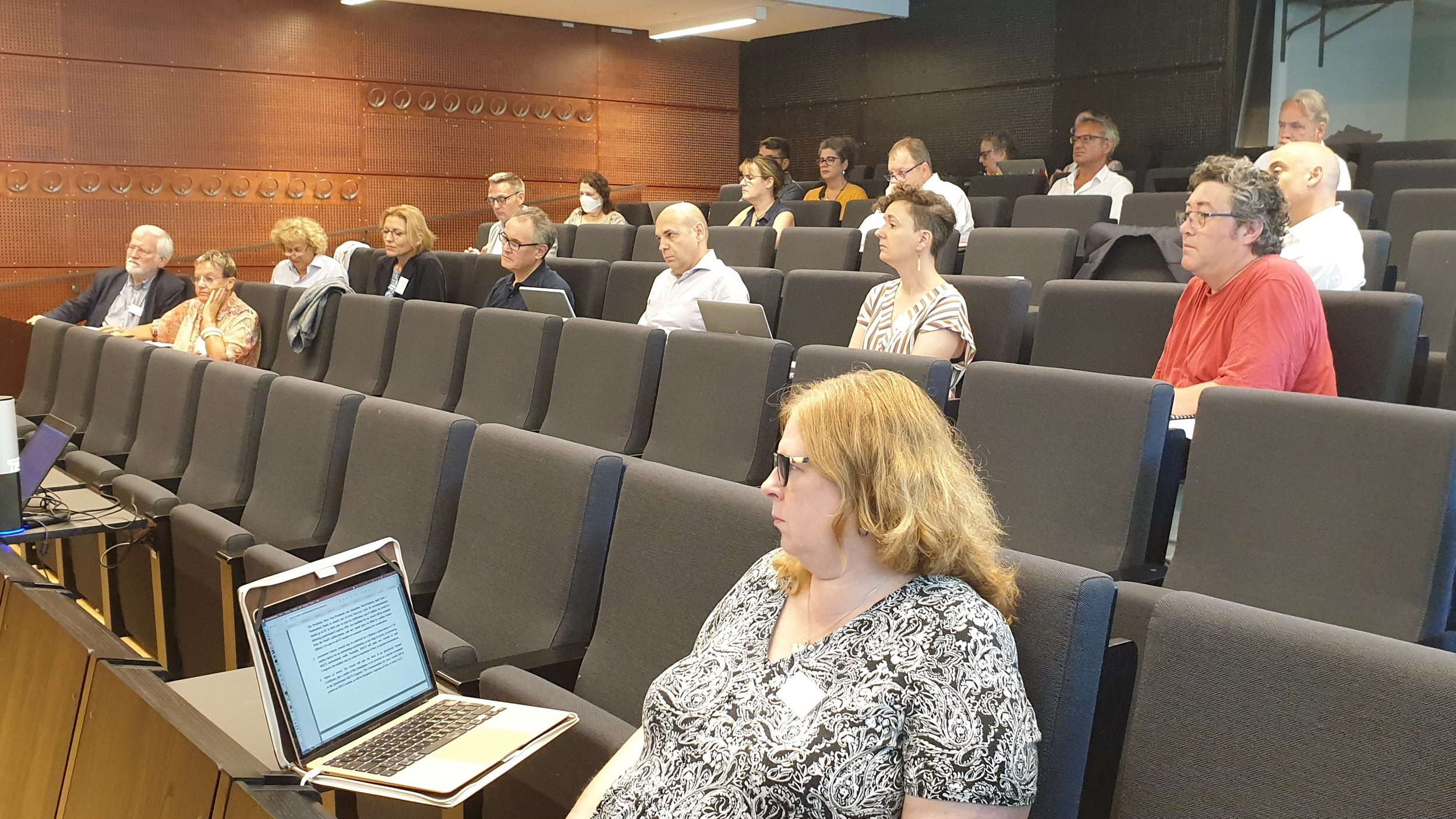
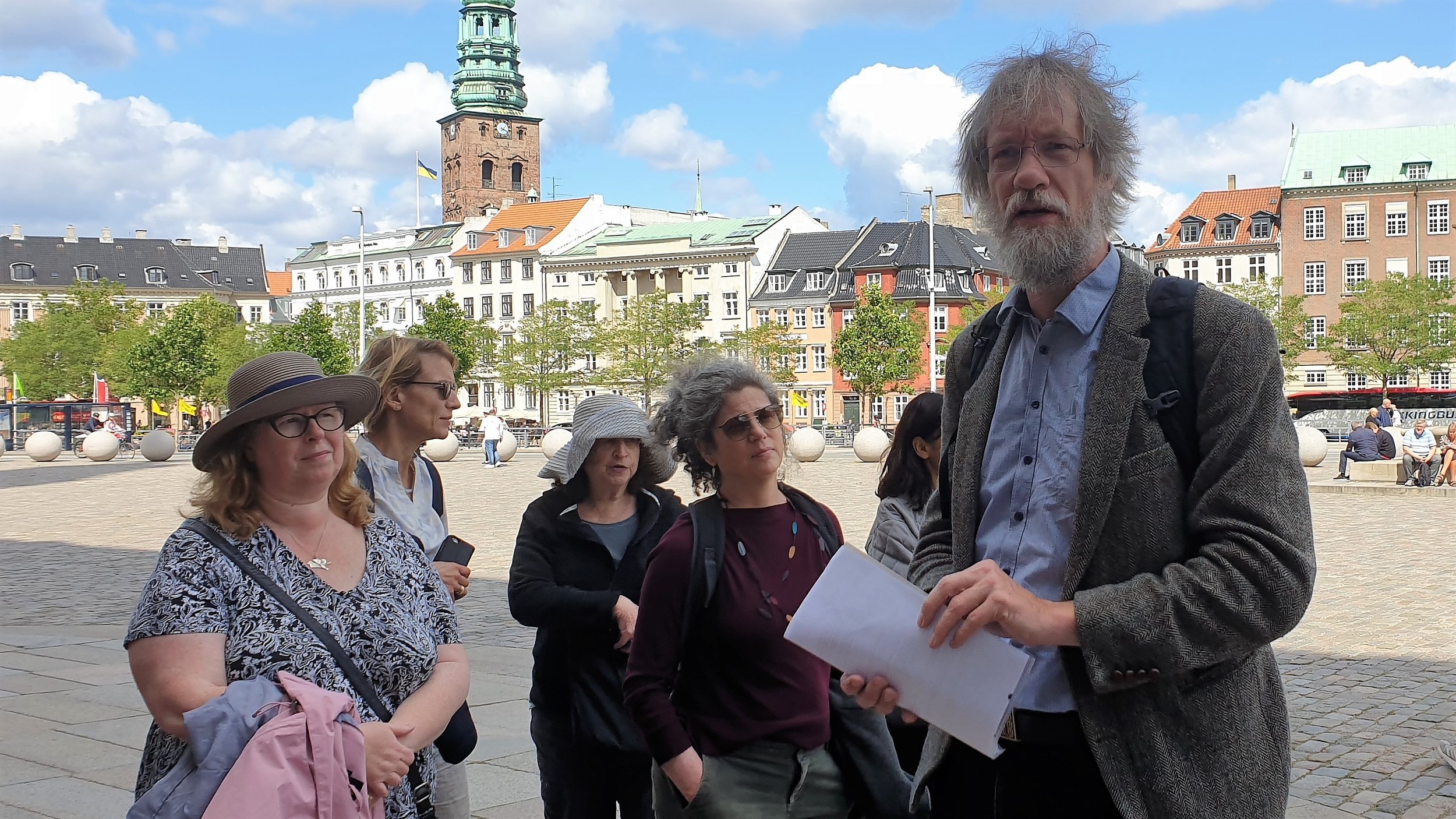
During a few warm days in August 2022, the Swedish Society for Eighteenth-Century Studies hosted the ISECS Executive Committee meeting in Lund. About 35 delegates from four continents participated in meetings and discussions during the first working day, and a conference on ‘Eighteenth-Century Media and Mediation’ on the second day. On the third day the company made an excursion to Copenhagen.
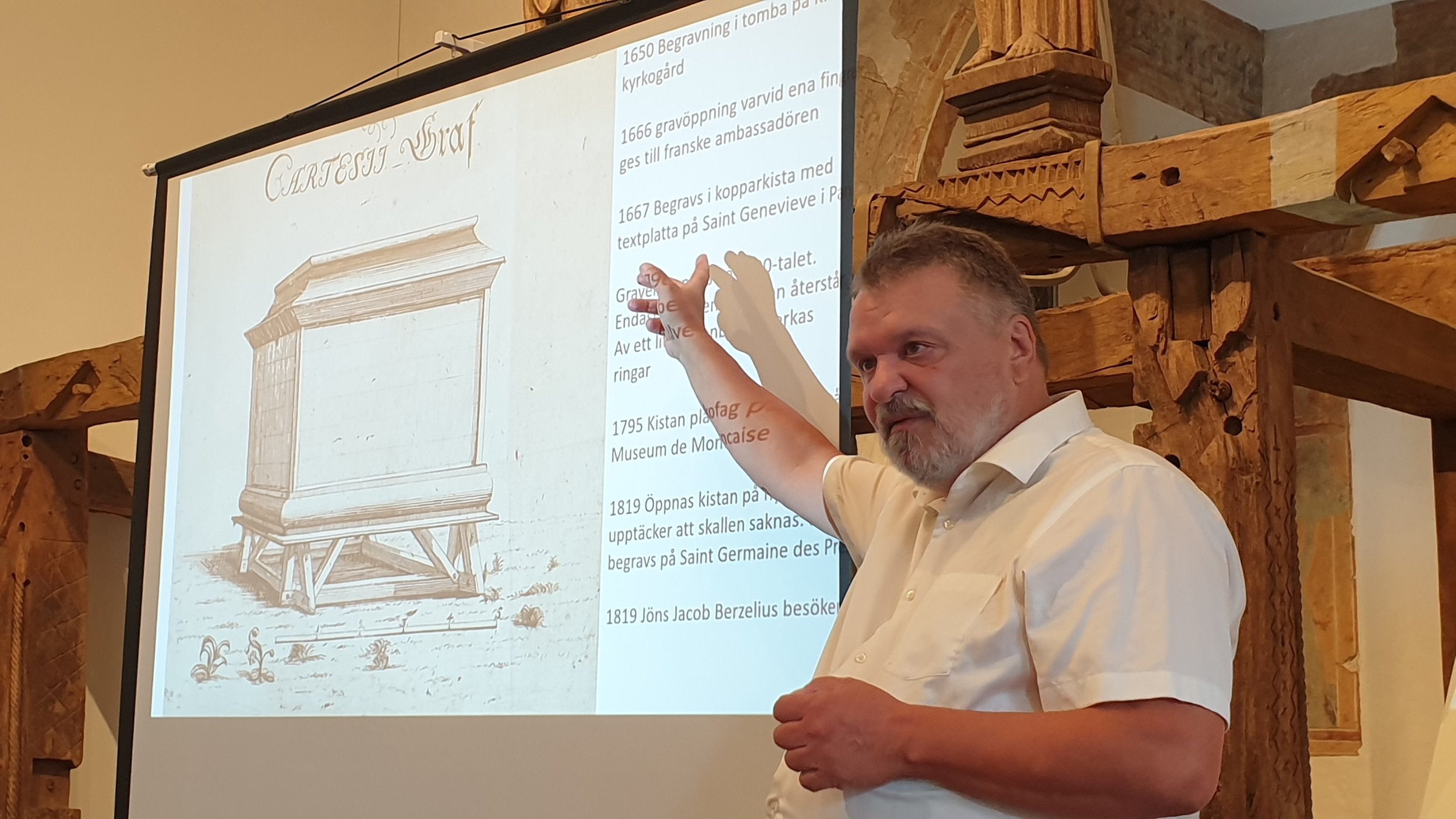
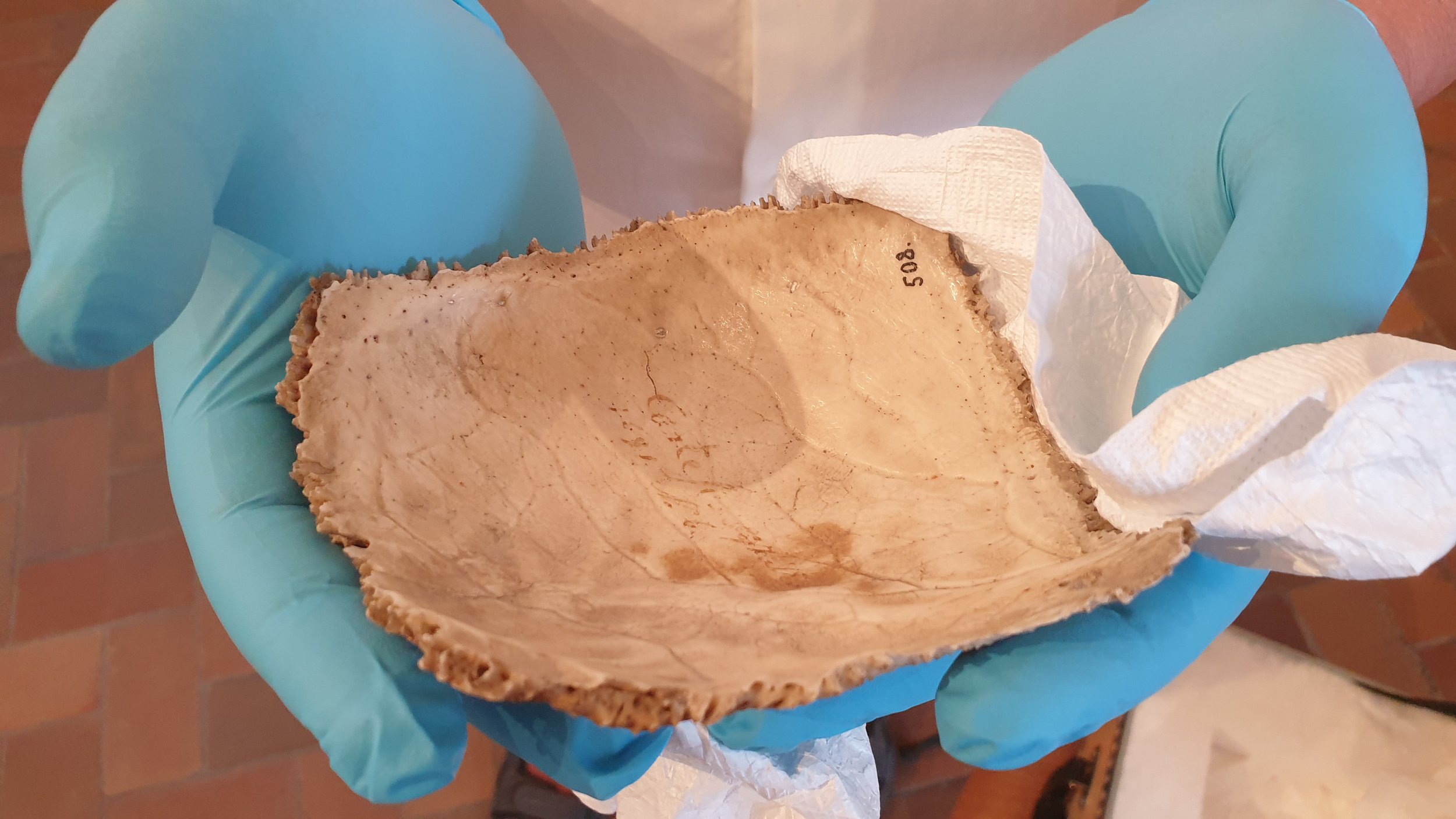
The meeting opened on 3 August with an evening reception at Lund University’s Historical Museum. In a cheered lecture by museum director Per Karsten, the guests got to see what is presumed to be a piece of René Descartes’ skull. Admittedly Descartes died already in 1650 but he made a lasting impact, which, without doubt, is part of ‘the long eighteenth century’. The evening ended with wine, canapés, and mingling.
The following day, 4 August, was reserved for the affairs of the Executive Committee. In the light of the Russian Federation’s war of aggression against Ukraine, an important question was the attitude of ISECS and the national eighteenth-century societies to the participation of Russian scholars in joint activities.
The Executive Committee (EC) agreed on the following statement in four points:
The EC resolves
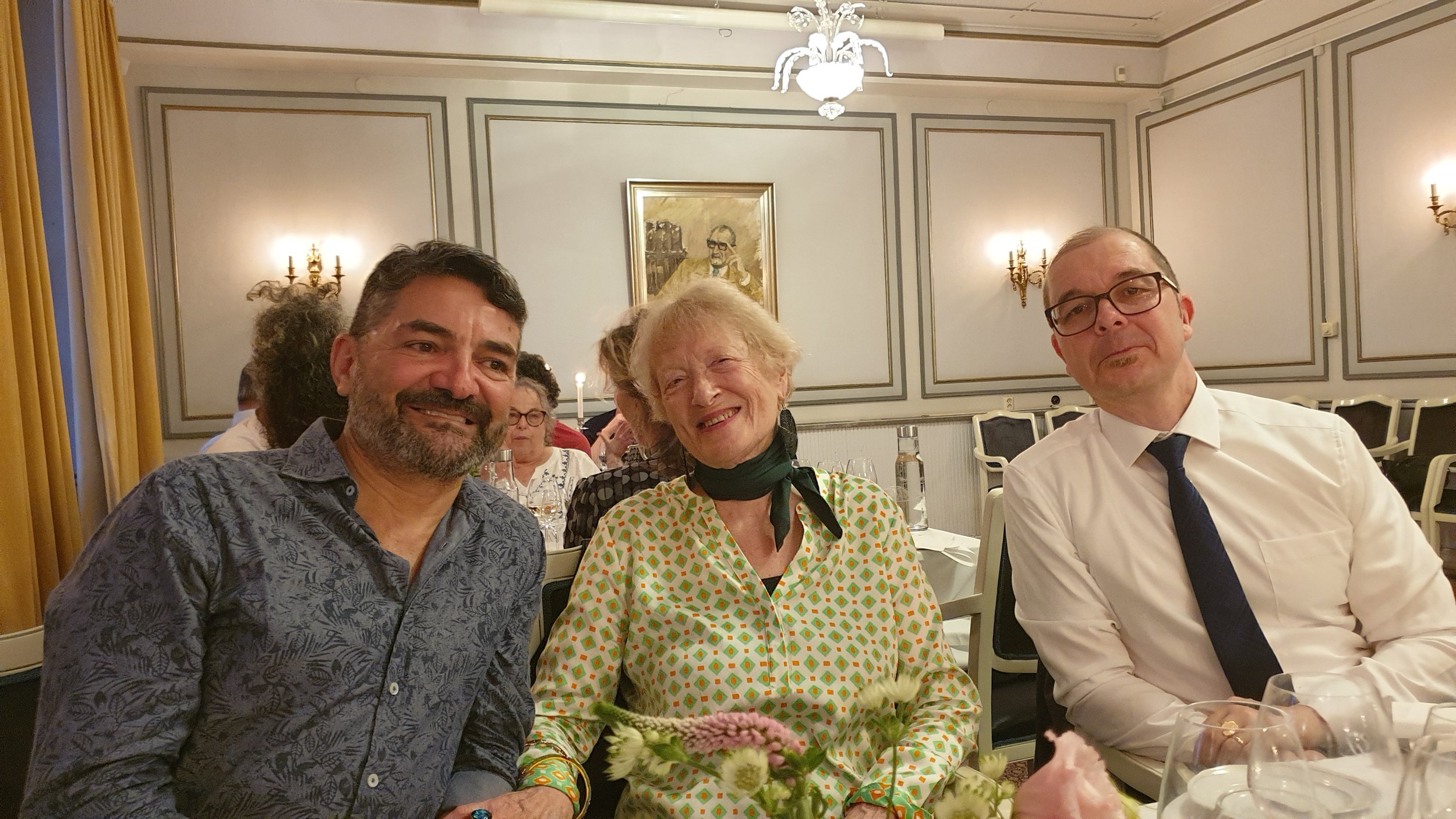
The day was concluded with dinner at the Grand Hotel Lund.
On Friday, 5 August, a one-day conference with eight presentations was held with the following presentations:
A selection of the presentations is planned to be published in a separate volume under preparation.
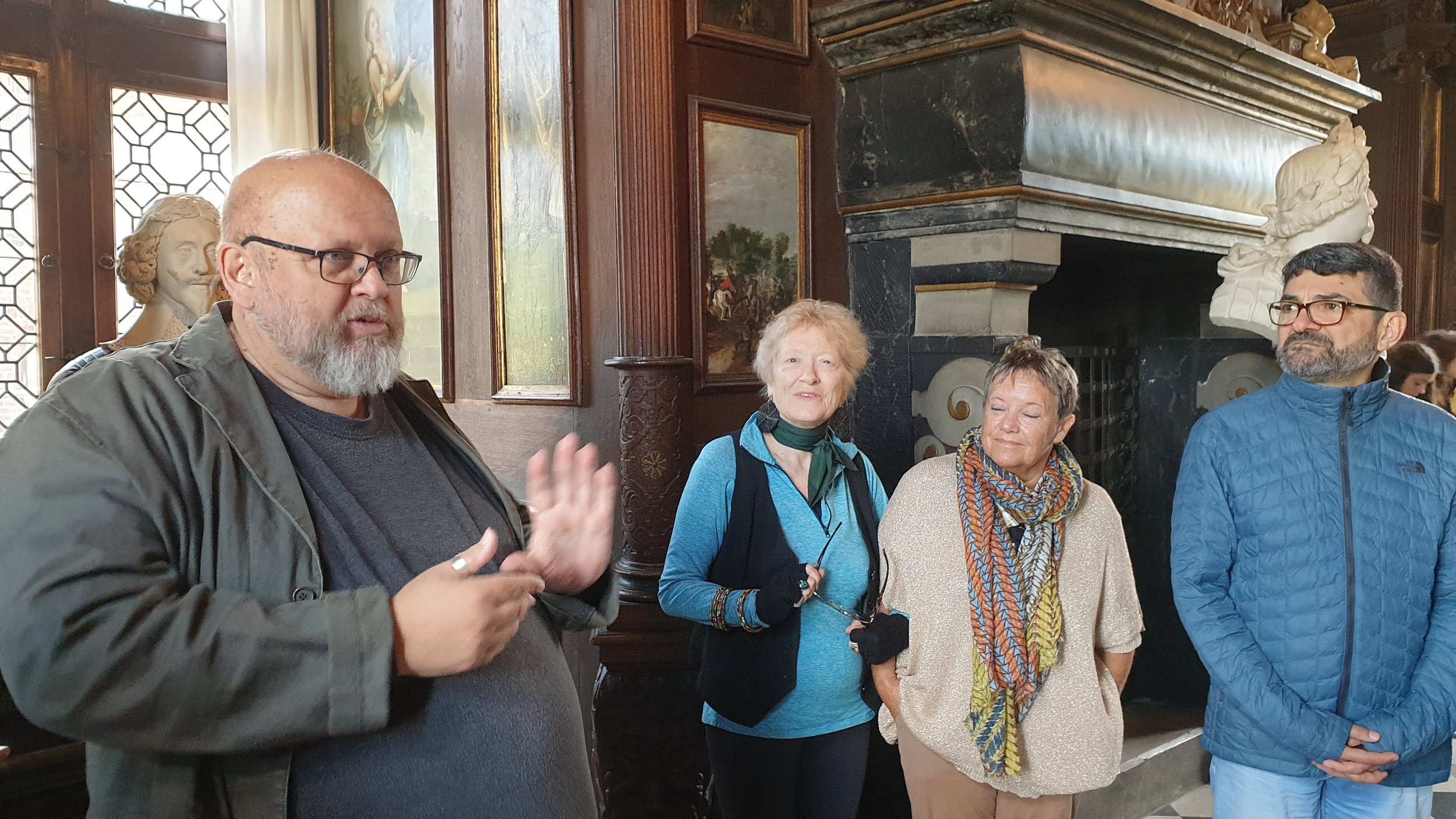
The last day, Saturday, about half of the participants took part in an excursion to Copenhagen. The group was shown around Rosenborg Castle by Peter Kristiansen, curator at the Royal Collections, and then continued on a city tour led by associate professor Sebastian Olden-Jørgensen from the Saxo Institute, Copenhagen University. In between, Danish smørrebrød was consumed. The evening ended with a dinner where ISECS' president, Professor Penelope J. Corfield, thanked the Swedish Society for the concluded meeting.
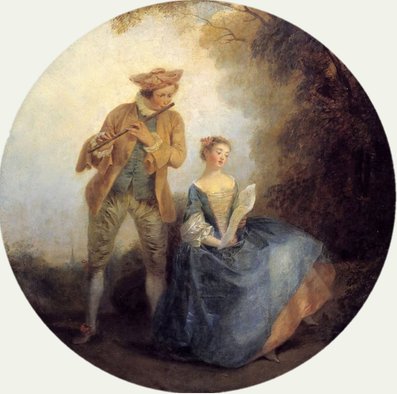
The Division of Musicology at Lund University invites all interested in affective history and eighteenth-century aesthetics to a research seminar on 21 September 2022. Our guest Erik Wallrup (Associate Professor in Aesthetics, Södertörn University) will present and discuss what he regards as one of the great changes within the cultural sphere during the eighteenth century: the emergence of the English landscape garden, which spread from England during the second half of the century as an embodiment of sentimental culture, and which made visible a new relation between man and nature. At the seminar, this transformation and its musical parallels will be discussed as manifestations of a suggested change within the 'patheme' – the affective counterpart to Foucault’s concept of episteme.
A text will be distributed a week before the seminar and will be open for discussion and critical comments.
The seminar takes place on 21 September, 15:15–17:00, at the Department of Arts and Cultural Sciences in the LUX building ( https://www.ht.lu.se/en/contacts/visitors/ ), room B251. It will also be possible to participate via Zoom. If you want to participate in the seminar, please write to Tobias Lund (tobias.lund@kulur.lu.se ). You will then receive the text and, if you wish, the Zoom link. For up-to-date information about the seminar, see https://www.kultur.lu.se/om-institutionen/kalendarium/evenemang/research-seminar-musicology-0/
Erik Wallrup achieved his doctorate in Musicology with the thesis Musical attunement: the concept and phenomenon of Stimmung in music (Stockholm University and The University of Rome ‘La Sapienza’, 2012), which was later published by Routledge as Being musically attuned: The act of listening to music (2016). He has also published two novels, a book-length essay on Nietzsche and listening (Nietzsches tredje öra, 2002), and numerous articles reflecting his interests in music history and aesthetics, continental philosophy, phenomenology and hermeneutics. His research project ”The affective shift of music in the Gustavian era” was funded by Riksbankens jubileumsfond: https://www.rj.se/en/grants/2017/the-affective-shift-of-music-in-the-gustavian-era/
The Swedish Society for Eighteenth-Century Studies is proud to host the 2022 meeting of the Executive Committee of ISECS/SIEDS, The International Society for Eighteenth- Century Studies. The delegates will convene in Lund, 3–6 August 2022.
Day 1: Reception
Day 2: EC Meeting followed by dinner
Day 3: Conference: 'Media and Mediation in the Eighteenth-Century'
Day 4: Excursion to Copenhagen
The conference on Friday, 5 August, is open for all interested parties free of charge; no registration is required. Note that coffee and lunch is only pre-booked for ISECS delegates; outside guests will have to provide for their own meals.
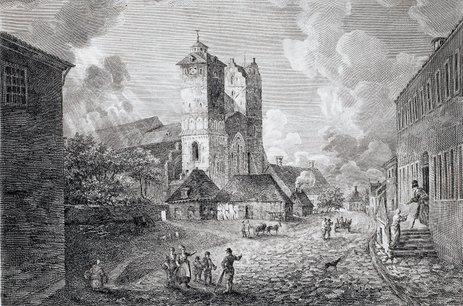
Lund 1782, by Johan Fredrik Martin.
EIGHTEENTH-CENTURY MEDIA AND MEDIATION
Joint Faculties of Humanities and Theology, LUX, Helgonavägen 3, C126
Friday 5 August 09:30–16:30
PROGRAM
SESSION 1. Chair: Annika Windahl-Pontén
09:30–09:45 Welcome and introduction
09:45–10:15 Jonas Nordin, Mediating Monarchy from Castle to Cottage in Eighteenth-Century Sweden
10:15–10:45 Ylva Haidenthaller, Mediating Printed Portraits in Eighteenth-Century Stockholm
10:45–11:00 PAUSE
SESSION 2. Chair: Johannes Ljungberg
11:00–11:30 Fokko Jan Dijksterhuis, Ways of Seeing. Conceptions of Visuality in Enlightenment Philosophy
11:40–12:10 Brycchan Carey, Personal Letters: Public Science: The Rise of the Media-Savvy Eighteenth-Century Naturalist
12:10–13:10 LUNCH
SESSION 3. Chair: Brita Planck
13:10–13:40 Sophie Holm, The Diplomatic Dimension of Early-Modern Mediascapes
13:45–14:15 Matthew Grenby, Primer, Cartilla, Cathechism: Educational Cheap Print for Children and the Global Spread of Print
14:15–14:45 COFFEE BREAK
SESSION 4. Chair: Penelope J. Corfield
14:45–15:15 Maria Isabel Limongi, Les symboles de L’État dans le Leviathan de Thomas Hobbes
15:20–15:50 Antônio Carlos dos Santos, L’image de l’athée dans les entrées « athée » et « athéisme » de l’Encyclopédie
15:50–16:30 Concluding discussion: ‘The Impact of Media and Mediation in the Eighteenth Century and Today’
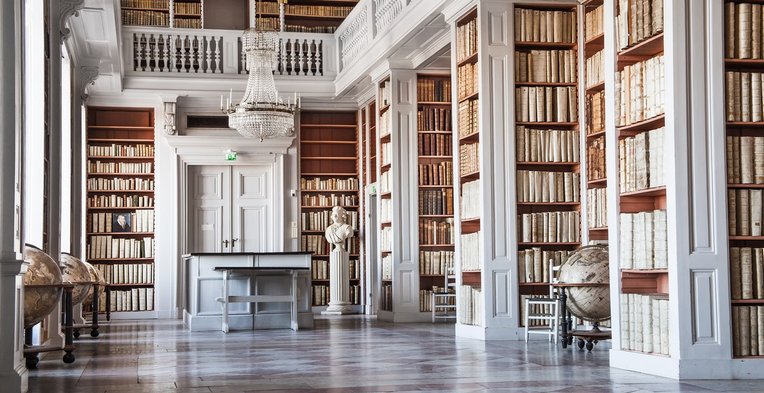
Välkommen att delta i ett webbinarium, arrangerat av DHV-hubben vid Stockholms universitet. Mikael Alm och Johan Sjöberg från Uppsala universitet kommer att presentera sitt aktuella RJ-infrastrukturprojekt (2022–2024).
Tid: 1 juni 2022, kl 15.00–16.30
Plats: online, Zoomlänk mejlas till anmälda
Anmäl dig genom att mejla susanne.tienken@tyska.su.se
Dela gärna denna inbjudan med kollegor som kan vara intresserade!
KORT OM FORSKNINGSPROJEKTET
Genom testamentariska föreskrifter inlemmades Gustav III:s privata arkiv, med hans korrespondens och arbeten inom en rad olika ämnen, i Uppsala universitetsbiblioteks samlingar efter hans död 1792. Samlingen har sedan den öppnades 1842 varit central inom svensk och internationell 1700-talsforskning. Forskare har använt den för studier av tidens politiska, sociala och kulturella liv. Den unika samlingen har satt Uppsala på 1700-talsforskningens karta.
Det är därför beklagligt att universitetsbiblioteket har sett sig tvungna att spärra samlingen för användning och utlån. Åren av användning har gått hårt åt samlingen. En fortsatt användning innebär en akut risk för skador och förlust av ovärderlig text. Föreliggande projekt ska åtgärda detta och initiera forskning på samlingen. Det görs genom att:
1. De fysiska handskrifterna konserveras och digitaliseras, och görs mer tillgängliga på ett för dess framtid hållbart sätt.
2. Den digitaliserade samlingens användbarhet för forskning förbättras genom HTR-teknik och crowdsourcing. Delar av materialet görs därigenom digitalt sökbart också som fulltext.
3. Forskning initieras på den digitala samlingen: Materialets sökbarhet kommer att möjliggöra nya sorters forskningsfrågor (till exempel i form av text mining på Gustav III:s arbeten), och under projekttiden kommer samlingen att användas i fakultetens uppsatskurser.
4. Samlingen görs mer närvarande i kulturarvssfären genom information och spridning via sociala medier och programverksamhet.
Om föredragshållarna:
Mikael Alm, FD, är universitetslektor i historia vid Historiska institutionen på Uppsala universitet.
Johan Sjöberg, FD, är arkivarie på Universitetsbiblioteket, Avdelningen för specialsamlingar vid Uppsala universitet.
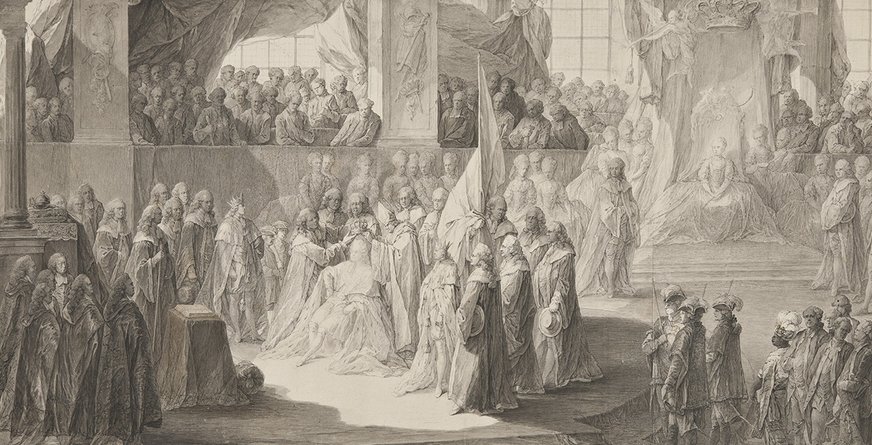
Den 29 maj 1772 kröntes Gustav III till Sveriges konung vid en ceremoni i Storkyrkan i Stockholm. På dagen 250 år senare återuppförs den till stora delar bortglömda kröningsmusiken för första gången sedan uruppförandet.
Konserten levandegör en viktig händelse i svensk historia genom återuppväcka en musikskatt och kasta nytt ljus över den gustavianska tiden och dess musikliv. Konserten är en del av ett större forskningsprojekt, lett av fil dr Jennie Nell (Stockholms universitet) och professor Mattias Lundberg (Uppsala universitet). Programmet inleds med en kortare presentation som guidar publiken genom kröningen såsom den genomfördes för på dagen 250 år sedan. Bakom arrangemanget står Sällskapet Gustaf III med bidrag från Kulturrådet och Svenska Akademien.
Kröningsmusiken, som komponerades av Francesco Antonio Uttini (1723–1795) framförs av Drottningholms Barockensemble och Katarina Kammarkör under ledning av Hans Vainikainen. Medverkar gör även Elisabeth Hellström (sopran) och Patrik Kesselmark (tenor) som dessutom framför ett par kortare arior ur Uttinis opera Thetis och Pelée som beställdes av Gustav den III till kröningsdagen. Härutöver framförs ett par kröningsmenuetter, vilka skrevs till dansen i Rikssalen efter kröningsmiddagen. Medlemmar ur Sällskapets Gustafs skål demonstrerar danserna iförda tidstypiska galadräkter.
När: söndagen den 29 maj kl 16.00
Var: Storkyrkan Stockholm
Pris. 250 kr (Biljetter via Ticketmaster)
För pressinformation, pressackreditering, bakgrundsmaterial och bilder vänligen kontakta producenterna Jennie Nell (Sällskapet Gustaf III) ordforande@sallskapetgustaf3.se 070-682 24 03 eller Rebecka Karlsson (Drottningholms Barockensemble) rebeckakarlsson@hotmail.com 070-787 58 92




